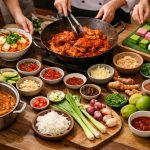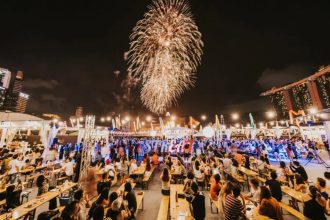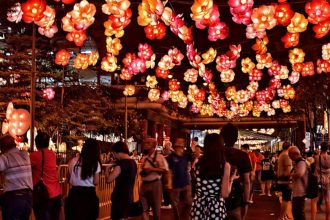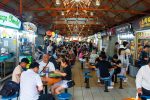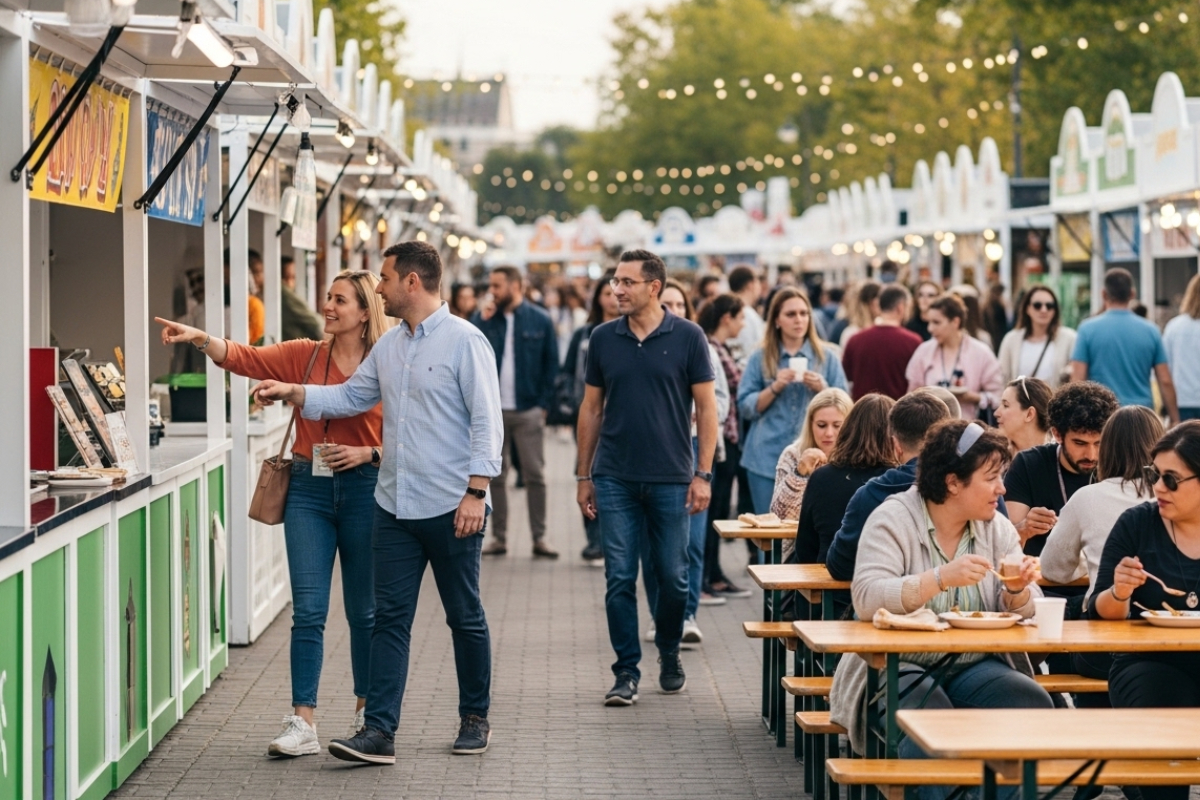
Food festivals in Singapore are loud, busy, joyful, and intense in the best way. You smell smoke from grills before you see them. You hear clinking cutlery mixed with music and chatter. You want to try everything. That excitement can quickly turn into stress if the day is not paced well. Long queues, missed pop-ups, and sore feet can quietly steal the fun. A great festival day is not about speed. It is about rhythm, timing, and knowing when to pause.
Planning a smooth day means treating time as your main ingredient. Not scheduled down to the minute, but a loose structure that leaves room for appetite changes, heat, and unexpected finds. Many experienced festival goers quietly rely on simple tools like a free countdown timer to keep track of cooking demos, tasting slots, and rest breaks without staring at the clock all day. Used lightly, timing tools help you stay present instead of rushed.
This guide focuses on festival survival timing. It covers venue hopping with buffers, choosing the best time to arrive, and queue habits that stay ethical and relaxed. No tricks. No shady shortcuts. Just practical ways to enjoy more food and less stress across a full day.
Quick Festival Planning Summary
Plan around energy, not perfection. Arrive earlier than peak hours. Build buffer time between venues. Eat lighter first. Rest often. Leave space for surprises. Timing well means tasting more with less effort.
Start With the Shape of the Day
Before thinking about stalls or menus, look at the shape of your day. Are you starting early or arriving after lunch? Are you staying until the night events? Food festivals stretch differently depending on heat, crowd waves, and programming. A day that begins at 11 am feels very different from one that starts at 4 pm.
Large festivals often publish headline schedules, but personal timing matters more. Decide how many active eating hours you realistically want. Six focused hours usually feel better than ten scattered ones. Once you know your window, it becomes easier to pace stops and breaks without forcing anything.
If this is your first visit, understanding the overall flow helps. Many visitors benefit from scanning the festival overview guide early on, not to memorize it, but to spot clusters of venues and typical crowd peaks.
Best Time to Arrive Without Fighting the Crowd
Arrival time shapes everything that follows. Come too late, and queues stack up fast. Come too early, and some stalls may still be setting up. In Singapore, heat and humidity also matter more than people expect. Late morning to early afternoon often brings the toughest conditions.
For most food festivals, the calmest window is shortly after opening or during late afternoon lulls. Families thin out. Office crowds have not arrived yet. Vendors are fully stocked and settled. This window is ideal for tasting heavier dishes without long waits.
Evening sessions feel lively but require patience. If you plan to arrive then, commit to fewer stops and longer stays. Timing tools like an online alarm can help remind you when to move on gently, rather than realizing too late that you missed a demo or talk.
Build Buffers Between Venues
Venue hopping looks simple on a map. In reality, walking time expands with crowds, heat, and distractions. A ten-minute walk easily becomes twenty when food aromas pull you sideways. Buffers are not wasted time. They protect your mood.
Add at least fifteen minutes of buffer between planned stops. Use that time to hydrate, sit, or watch something unexpected. These moments often become highlights. Without buffers, every delay feels like a problem. With buffers, delays feel normal.
Transport also needs padding. If you rely on trains, factor in exits, signage, and station crowds. Knowing MRT travel basics helps reduce friction, especially when stations near festival grounds get busy.
Queue Time Without Stress or Shortcuts
Queues are part of the experience. Accepting that early changes everything. Ethical queue habits keep the atmosphere friendly and fair. Cutting lines or holding spots creates tension that nobody enjoys.
Instead of fighting queues, work with them. Eat lighter items first. Save signature dishes for off-peak moments. Split tasks with friends. One person queues while others rest nearby, then rotate. This keeps energy balanced without bending rules.
- Choose stalls with visible prep speed.
- Avoid lining up hungry and overheated.
- Ask staff about quieter times.
- Eat standing only when needed.
- Hydrate before joining any long line.
Pace Eating to Avoid Burnout
Food fatigue is real. Rich dishes stack quickly. A rushed day often ends early because people feel full but unsatisfied. Smart pacing stretches enjoyment.
Start with small bites. Share plates. Alternate heavy and light foods. Acidic, fresh items reset your palate and energy. Walking after eating helps digestion and keeps your head clear.
Plan at least one long rest stop. Sit down. Watch the crowd. Let digestion catch up. That pause often determines whether the evening feels exciting or exhausting.
Use Timing Tools Lightly and Intentionally
Technology should support the day, not dominate it. Timers and alarms work best when used quietly in the background. Set gentle reminders for specific moments only. Cooking demos. Ticketed tastings. Meet-up points.
Avoid constant checking. Let the environment guide you. If something draws your attention, follow it. If you miss one item, there will be others. The goal is flow, not completion.
Weather and Energy Planning
Singapore’s weather changes quickly. Sudden rain or strong sun shifts crowd behavior. Covered areas fill fast. Outdoor seating empties. Flexibility matters more than fixed plans.
Dress lightly. Carry water. Accept that plans will bend. Those who adapt early enjoy it more. Those who resist feel rushed and frustrated.
Know When to Leave Something Untried
Missing one stall does not mean failing the day. Festivals reward curiosity, not checklists. The best memories often come from unplanned moments rather than headline dishes.
Leaving with energy beats staying until exhaustion. Ending the day while still excited means you remember flavors, not fatigue. That feeling is what brings people back next year.
Understanding the Culture Behind the Crowds
Singapore food festivals sit within a larger food culture built on respect, patience, and shared space. Queues, timing, and communal eating reflect values that go beyond events.
Learning about Singapore hawker culture adds context to why timing and order matter so much, especially in busy food settings.
Ending the Day on a High Note
As the day winds down, shift expectations. Night crowds feel different. Music rises. Lights soften edges. Choose one final stop and settle in. Reflect on what surprised you.
A well-paced festival day does not feel rushed or empty. It feels full in the right way. You tasted enough. You rested enough. You stayed curious without chasing everything. That balance is what keeps the joy alive long after the last bite.
| Time Block | Crowd Level | Best Activity |
|---|---|---|
| Opening Hour | Low | Signature dishes |
| Midday | High | Light snacks |
| Late Afternoon | Medium | Workshops |
| Evening | High | Shared plates |
Good timing turns a busy festival into a relaxed story you carry home. Plan lightly. Eat thoughtfully. Leave space for joy.