Singapore’s coffee culture is as rich and layered as the city itself, and understanding Kopi vs Kopi-O vs Kopi-C is a must for anyone wanting to order like a local. From morning commuters grabbing their quick cup at a hawker stall to casual brunch-goers lingering over their drinks, knowing the subtle differences between these coffee styles can transform your experience. For first-timers, it may feel confusing, but once you get the hang of it, ordering your preferred coffee becomes second nature.
Singaporeans treat kopi as more than just a caffeine fix; it’s a cultural ritual. Each type of kopi tells a story about the city’s history, immigration patterns, and culinary creativity. If you want a quick refresher on how locals customise their drinks, this guide pairs well with learning the basics of local kopi ordering before you try your first cup. Understanding these distinctions lets you enjoy every sip with confidence and appreciation.
Kopi vs Kopi-O vs Kopi-C: Understanding the Basics
Before diving into the finer details, it helps to have a quick snapshot of the differences between these coffee styles. Each type varies in sweetness, milk content, and brewing method, reflecting the distinct tastes and traditions that have shaped Singapore’s coffee scene.
Coffee in Singapore isn’t just a drink; it’s a lifestyle. Local kopi shops, or “kopitiams,” have been social hubs for decades, where friends, families, and even strangers gather to chat over a steaming cup. Knowing the differences between Kopi, Kopi-O, and Kopi-C makes the experience more immersive and meaningful.
Here’s a simple overview to get started:
- Kopi: Traditional coffee made with condensed milk, offering a sweet and creamy flavor.
- Kopi-O: Black coffee with sugar, giving a bolder and slightly bitter taste.
- Kopi-C: Coffee mixed with evaporated milk and sugar, providing a lighter, smoother experience.
This brief guide helps make ordering faster and ensures you get the cup that suits your taste, whether it’s a quick morning boost or a leisurely afternoon indulgence.
Why Understanding Kopi vs Kopi-O vs Kopi-C Matters for Visitors
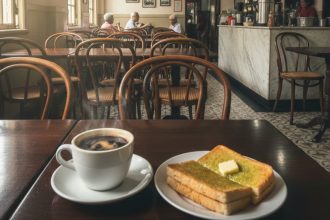
Knowing the differences between these coffee types isn’t just about ordering correctly; it’s part of appreciating Singapore’s culinary culture. Coffee is an integral component of many breakfast rituals, often paired with traditional items like kaya toast and soft-boiled eggs.
Even beyond breakfast, kopi forms part of Singapore’s social fabric. Locals often stop by kopitiams for a quick chat, to read the newspaper, or to unwind after work. Understanding the subtle variations in sweetness and milk content allows visitors to join in these everyday experiences with confidence, rather than feeling like an outsider trying to navigate unfamiliar terminology.
By appreciating the nuances, visitors can tailor their orders exactly to their taste preferences, creating a more enjoyable and authentic experience.
What “Kopi” Means in Local Coffee Culture
The term “Kopi” refers to the standard local coffee, made with a dark roast and condensed milk. This style has a distinct sweetness and creamy texture that balances the coffee’s boldness. Traditionally brewed using a sock filter, it produces a rich, aromatic cup that’s thicker than many Western-style coffees.
Ordering “Kopi” gives you the classic Singaporean experience, perfect for those who enjoy a sweet start to their day. Some kopitiams add subtle hints of caramelization from the roasting process, giving kopi a depth of flavor that surprises visitors on the first sip. It’s a coffee that is both comforting and indulgent, reflecting the warmth of local hospitality.
What “Kopi-O” Means
“Kopi-O” takes a different approach. The “O” stands for “black,” so this variation is made without milk, often just with coffee and sugar. The taste is stronger and slightly more bitter than standard Kopi, appealing to those who prefer a sharper, more robust flavor. Many locals also enjoy it with condensed sugar, adjusting the sweetness to personal preference.
Kopi-O is often served piping hot in small porcelain cups, enhancing the aroma and providing a richer drinking experience. It’s the choice of early risers and those seeking a no-frills, authentic cup that showcases the quality of the roast. This style also gives visitors insight into how Singaporeans balance strength and taste in their daily coffee rituals.
What “Kopi-C” Means
“Kopi-C” combines coffee with evaporated milk and sugar. The “C” comes from the Hainanese adaptation of coffee culture. It offers a lighter, creamier taste compared with standard Kopi, without the intense sweetness of condensed milk. The milk’s subtle flavor softens the coffee, making it an approachable choice for those exploring local tastes for the first time.
Many locals prefer Kopi-C when pairing coffee with buttery pastries or other breakfast treats. Its smooth texture makes it a versatile option for different meals and times of the day. Visitors quickly learn that Kopi-C is a gentle introduction to Singapore’s coffee culture, balancing flavor without overwhelming the palate.
Kopi vs Kopi-O vs Kopi-C: Flavor Differences, Sweetness Levels, and Strength
While all three coffee types share the same base beans, their flavor profiles differ significantly. Understanding these differences can help you choose the cup that fits your mood or complements your meal.
Sweetness and Milk Profiles
Kopi uses condensed milk for a rich, indulgent sweetness, Kopi-O is black and optionally sweetened with sugar, and Kopi-C incorporates evaporated milk for a smooth, lighter flavor. Each option allows you to tailor your coffee experience, whether you prefer it sweet, strong, or somewhere in between.
Even within these variations, small adjustments can dramatically change the flavor. A “siew dai” (less sugar) version of Kopi-C, for instance, might appeal to those who prefer subtle sweetness, while a “gah dai” (more sugar) option caters to those who enjoy a stronger sweet taste.
Strength and Mouthfeel
The brewing process affects strength and texture. Kopi is thick and full-bodied, Kopi-O delivers a punchier, more robust taste, and Kopi-C balances the coffee’s strength with creaminess. This subtle combination of milk, sugar, and roast defines the character of each cup, offering a wide spectrum of flavors for locals and visitors alike.
The coffee is often brewed in small batches at traditional kopitiams, which helps preserve its aroma and strength. For visitors, noticing these details provides a richer appreciation of what seems like a simple cup of coffee.
Kopi vs Kopi-O vs Kopi-C: Popular Variations You Might Encounter
Even after understanding the basics, you’ll notice that locals enjoy customizing their coffee further. Terms like “siew dai” (less sugar), “kosong” (no sugar), and “peng” (iced) allow for additional personalization.
If you’d like to try making traditional-style coffee at home, try some simple kopi recipes to recreate the flavors using common ingredients. This is a fun way to bring a piece of Singapore into your kitchen, experimenting with sugar levels and milk choices exactly as the locals do.
Iced Versions (Peng)
Iced versions are common in Singapore’s warm climate. Kopi Peng, Kopi-O Peng, and Kopi-C Peng offer a refreshing take on the classic flavors, perfect for a hot afternoon. The ice slightly dilutes the coffee, highlighting subtle differences in roast and sweetness.
Less Sugar, More Sugar, or No Sugar (Siew Dai, Gah Dai, Kosong)
Adjusting sweetness allows each cup to cater to personal taste. Whether you prefer your coffee lighter, richer, or somewhere in the middle, these variations show the flexibility of Singapore’s coffee culture. Observing how locals order with these terms gives visitors a peek into the social language of kopitiams.
The Origins of Local Coffee Culture
Singapore’s kopi culture has a rich history, influenced heavily by Hainanese immigrants who brought their brewing techniques from Southeast Asia. Over time, these methods adapted to local tastes, giving rise to the diverse coffee styles enjoyed today.
If you want a deeper look into how these drinks evolved, you can explore the traditional kopi history that traces its regional roots. This historical context shows how Singaporean coffee isn’t just a beverage; it’s part of the city’s identity, shaped by generations of cultural exchange and adaptation.
Kopi vs Kopi-O vs Kopi-C: Savoring the Experience
Understanding Kopi vs Kopi-O vs Kopi-C allows you to engage with Singapore’s culinary culture beyond just ordering a drink. By appreciating the differences, you can confidently enjoy each style, experiment with variations, and even share the experience with friends.
Whether at a bustling hawker centre or a quiet café, your knowledge of these local coffee types will make your visit more authentic and enjoyable. Each sip tells a story of tradition, adaptation, and everyday life in Singapore, making kopi more than just a drink; it’s a cultural experience worth savoring.