Navigating local coffee terms in Singapore can feel like decoding a secret language at first. From kopi-O to kopi-C and siew dai to gao, these terms define not only how your coffee tastes but also how locals enjoy their daily brew. Understanding them gives you the confidence to order exactly the way you like, whether at a bustling kopitiam or a modern specialty cafe.
Each phrase tells a story about flavors, traditions, and the rituals that make Singapore’s coffee culture so unique. By learning these terms, you’ll discover subtle differences in taste, impress local baristas, and even uncover hidden gems where coffee is served with care.
As you read on, you’ll gain a clear and practical guide to ordering coffee like a local, while appreciating the rich culture behind every cup.
Local Coffee Terms in Singapore: What You Should Know
Before diving into the details, here’s a snapshot of what this glossary covers. Knowing these points will help you order coffee like a local without hesitation.
- Common kopi types and their flavor profiles
- Sugar and milk level terminology
- How to combine terms when ordering
- Suggested places to try these drinks
By the end, you’ll understand local coffee terms in Singapore and feel ready to explore Singapore’s coffee culture.
Understanding Local Coffee Terms in Singapore
Singapore’s coffee culture blends Malay, Hokkien, and English influences. Each term reflects tradition, flavor, and preparation style. Learning these phrases helps you order coffee confidently and enjoy it as locals do.
Popular Kopi Types
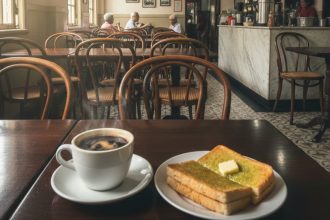
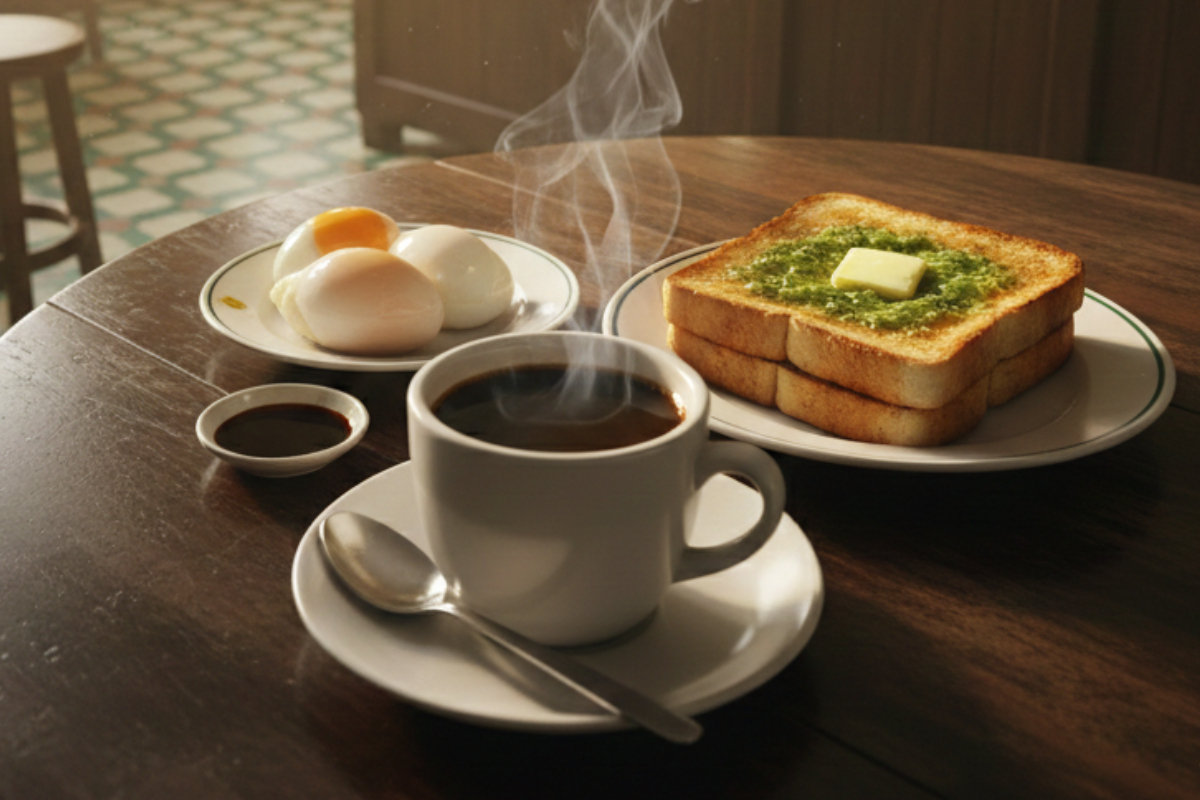
Kopi is Singapore’s standard coffee, brewed strong and sweetened with condensed milk. It has a rich, velvety taste with a hint of caramel from the milk. Usually served hot, kopi is a morning staple and often enjoyed with kaya toast and soft-boiled eggs. Ordering a regular kopi guarantees a smooth, comforting cup that reflects the classic Singaporean breakfast experience.
Kopi-O is black coffee, typically sweetened with sugar. It’s bolder and less creamy than standard kopi, highlighting the coffee’s rich, roasted flavor. You can ask for “kosong” to remove sugar entirely. Kopi-O is a favorite among locals who enjoy a more robust coffee taste, often paired with buttery toast or traditional pastries.
Kopi-C uses evaporated milk instead of condensed milk, giving it a lighter, creamier flavor without excessive sweetness. It’s ideal for those who enjoy a balanced coffee, not too strong or sugary. Kopi-C can be served hot or iced, and asking for siew dai adjusts the sweetness to your preference.
Kopi Peng refers to any coffee served over ice. Most commonly, iced kopi or kopi-O is served this way, perfect for Singapore’s warm climate. Kopi Peng is refreshing and slightly diluted as the ice melts, which softens the strong flavors of regular kopi. Locals often order this in the afternoon to cool down without sacrificing flavor.
For a complete look at these drinks, check out different types of kopi to understand their subtle taste and preparation differences.
Sugar and Strength Levels of Kopi in Singapore
Understanding sugar and strength terms ensures you get your coffee just right.
- Siew dai means less sugar. For instance, “kopi siew dai” is slightly sweet, letting the coffee’s richness shine.
- Kosong means no sugar. “Kopi-O kosong” is strong, black, and unsweetened, perfect for those who prefer pure coffee.
- Gao indicates a stronger brew. A “kopi gao” has more concentrated coffee, giving a bold and intense flavor.
You can combine these terms for precise customization. For example, kopi siew dai gao is less sweet and extra strong. Using these terms makes ordering efficient and ensures your cup is exactly how you like it. Tourists practicing this at a kopitiam often impress staff and get a few smiles along the way.
Specialty Expressions of Kopi in Singapore
Some phrases reflect the creativity and local flavor of kopitiams.
- Siu gai refers to a small cup, which is handy for sampling multiple drinks.
- Tarik, meaning “pulled,” comes from the technique of pouring coffee repeatedly to create froth. It’s more commonly used with tea but occasionally appears in coffee slang.
Mastering these expressions not only guarantees the coffee you want but also signals respect for local culture. For hands-on practice, try ordering kopi like locals in a busy kopitiam, observing how locals specify sugar and strength.
Where to Enjoy Kopi in Singapore
Singapore offers both traditional kopitiams and specialty cafes. Classic kopitiams like Ya Kun Kaya Toast, Killiney Kopitiam, and Toast Box preserve decades-old brewing methods, offering nostalgia and familiarity. Specialty cafes, such as Chye Seng Huat Coffee, % Arabica Singapore, and The Populus Coffee & Food Co., experiment with single-origin beans, brewing techniques, and innovative flavors.
Visiting local coffee roasters is an excellent way to experience quality coffee. Many roasters focus on selecting premium beans, roasting with care, and serving coffee that honors Singapore’s heritage. Sampling these coffees allows you to connect what you’ve learned about local coffee terms in Singapore with real-life taste experiences.
Neighborhoods like Tiong Bahru feature cozy, modern cafes such as Tiong Bahru Bakery Café and Forty Hands, while Chinatown has bustling kopitiams steeped in history. Sampling both traditional and modern coffee spots provides a full appreciation of Singapore’s rich coffee culture.
Cultural Significance of Kopi in Singapore
Coffee in Singapore is more than a drink; it’s a ritual. Using the correct terms shows respect for tradition and helps visitors engage with locals. Kopitiams are social spaces where people gather over breakfast, discuss daily life, or enjoy a mid-afternoon break.
Many locals pair their kopi with kaya toast, soft-boiled eggs, or pastries. Ordering with the right terms ensures you enjoy the intended experience. For a deeper understanding of coffee’s roots and evolution, you can explore the history of coffee, which gives context to Singapore’s unique brewing styles. Appreciating this background enhances every sip.
Local Coffee Terms in Singapore: Enjoy Every Cup
With this glossary, ordering kopi becomes simple and fun. You can request exactly what you like, from kopi siew dai gao to iced kopi-C. Visiting local coffee roasters or practicing ordering kopi like locals allows you to experience the culture firsthand.
Singapore’s coffee culture is vibrant, welcoming, and full of character. Mastering local coffee terms in Singapore ensures each cup matches your taste and every visit to a kopitiam or cafe feels authentic. Embrace the flavors, the history, and the rituals, and your coffee journey will be unforgettable.