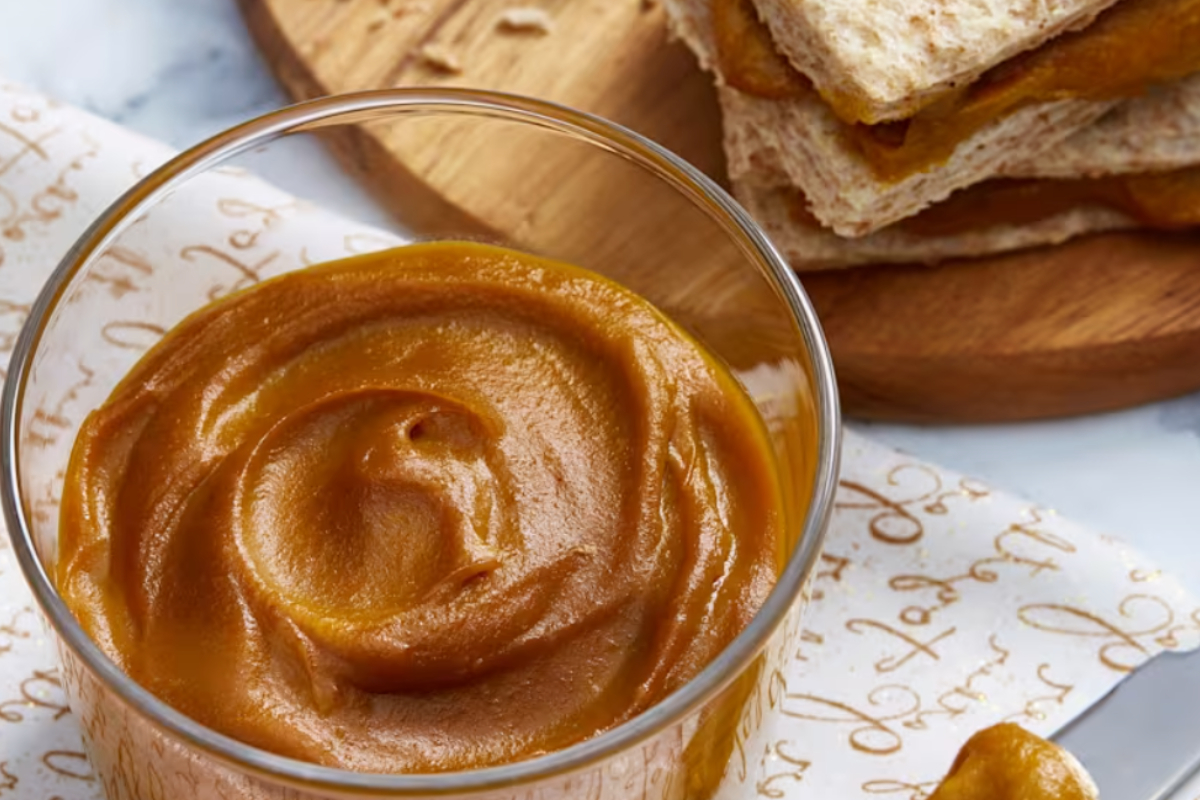
The kaya (coconut jam) recipe is a cornerstone of Singaporean breakfasts, treasured for its creamy texture and fragrant sweetness. Traditionally enjoyed on soft toast or bread with butter, this jam brings warmth and flavor to every meal. Making kaya at home allows you to experience the authentic taste while controlling ingredients and consistency.
Whether you are a home cook or someone curious about Southeast Asian cuisine, this guide will show you how to make kaya step by step. Along the way, you will discover dishes that pair beautifully with this sweet spread and tips to make your homemade version truly special.
Kaya (Coconut Jam) Recipe: What to Expect
Before you start, here’s a quick overview of what this article covers. You will learn the history, ingredients, cooking steps, and creative ways to enjoy kaya at home.
To give you a snapshot:
- The cultural significance of kaya in Singapore
- A complete list of ingredients and measurements
- Numbered, step-by-step cooking instructions
- Tips for perfect texture and aroma
- Creative serving suggestions for breakfast or desserts
These points will guide you to make kaya that is smooth, flavorful, and versatile.
Understanding Kaya (Coconut Jam)
Kaya is more than a sweet spread; it embodies Singapore’s rich culinary heritage. Often paired with soft toast and butter, it is a staple in local breakfasts. Its vibrant aroma comes from the blend of coconut milk, eggs, sugar, and pandan leaves.
The texture can range from slightly runny to thick and creamy. Understanding how to balance ingredients and cooking time ensures perfect results every time.
Variations of the Kaya (Coconut Jam) Recipe
While the classic kaya is sweet, creamy, and aromatic, there are several ways to customize it to suit different tastes or dietary needs. Experimenting with variations allows you to enjoy kaya in new ways while keeping the base method simple and reliable.
Brown Sugar Kaya
Swap regular sugar for brown sugar to give the jam a richer, caramel-like flavor. The darker color adds visual appeal, and the deeper sweetness pairs beautifully with plain toast or buttered buns. Cooking time remains the same, but keep stirring carefully to avoid burning the sugar.
Pandan-Free Kaya
If pandan leaves are unavailable, you can make kaya without them. The aroma will be subtler, but the natural coconut flavor and smooth texture remain delicious. Some people add a few drops of pandan essence for fragrance, but this is optional and should be adjusted according to taste.
Low-Sugar or Vegan Kaya
For a lighter version, reduce the sugar gradually or use natural sweeteners like maple syrup or agave. For a vegan-friendly option, replace eggs with a plant-based alternative such as silken tofu or chickpea flour, and whisk carefully to maintain a creamy consistency. This variation is perfect for readers with dietary restrictions who still want to enjoy a traditional flavor.
Creative Flavor Additions
Some cooks like to experiment with subtle flavors, such as a pinch of salt for balance, a few drops of vanilla for depth, or even a hint of cocoa for a chocolate twist. These additions can make your kaya unique without compromising the original texture and creaminess.
These variations show how versatile the kaya (coconut jam) recipe can be. With small adjustments, you can adapt it to different tastes, dietary needs, or special occasions, making each batch uniquely yours.
Ingredients Needed for Kaya (Coconut Jam) Recipe
To prepare authentic kaya, gather the following ingredients:
- 4 large eggs
- 200 ml coconut milk
- 150 g sugar, adjustable to taste
- 3–4 pandan leaves for aroma, optional
- 1/4 teaspoon salt
Each ingredient contributes to flavor and texture. Eggs provide richness, coconut milk adds creaminess, sugar balances sweetness, and pandan leaves offer a subtle fragrance.
Choosing Quality Ingredients
Fresh ingredients make a noticeable difference. Fresh coconut milk enhances natural flavor, while fresh eggs ensure a smooth texture. Sugar quality affects sweetness and overall taste. Optional natural sweeteners like palm sugar can deepen the flavor without overpowering the jam.
How to Make Kaya (Coconut Jam) Recipe
Making kaya requires patience, but the process is straightforward with careful attention. The goal is a smooth, thick, and aromatic jam that spreads easily.
Step-by-Step Instructions
- Beat four large eggs in a bowl until smooth.
- Gradually mix in the sugar and salt for a consistent blend.
- Slowly add coconut milk, stirring gently to incorporate.
- Tie pandan leaves into a knot and add them for aroma, if using.
- Cook the mixture over low heat using a double boiler. Stir continuously to avoid curdling.
- Continue cooking for 30–40 minutes until thickened and spreadable.
- Remove pandan leaves and allow the jam to cool before transferring to sterilized jars.
Once cooled, your homemade kaya can be stored in the refrigerator for up to two weeks.
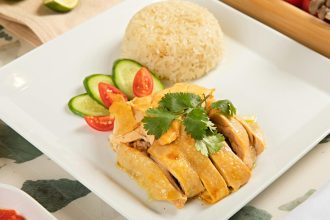
When serving, consider pairing it with other local favorites. Enjoy your kaya on toast alongside Hainanese chicken rice for a complete breakfast. Check out the chicken rice recipe.
Tip 1: Stirring for Perfect Texture
Continuous stirring prevents curdling and ensures smoothness. Keep the heat low and move the mixture consistently to maintain a creamy consistency.
Tip 2: Adjusting Sweetness
Taste the mixture as it cooks and adjust the sugar gradually. Start with 150 grams and modify to suit your preference. Some enjoy a sweeter jam; others prefer it subtle.
Tip 3: Enhancing Aroma with Pandan
Pandan leaves add a fragrant, tropical note. Tie them before adding to the mixture and remove before storing to keep the jam smooth.
Tip 4: Storage and Shelf Life
Use sterilized jars for storage. Refrigerate to keep the jam fresh for up to two weeks. Add a pandan leaf during storage for extra fragrance, but remove it before spreading.
Serving and Using Kaya (Coconut Jam)
Kaya is incredibly versatile and can be enjoyed in both traditional and creative ways. While it is most commonly spread on toast, it also works wonderfully in desserts, pastries, and other snacks.
Creative Serving Ideas
Spread kaya on warm bread with a thin layer of butter for the classic Singaporean experience. It can also be used as a filling for buns, pancakes, or pastries, adding a rich, sweet flavor to your baked treats. Kaya pairs beautifully with coffee or tea, making it a perfect companion for breakfast or an afternoon snack.
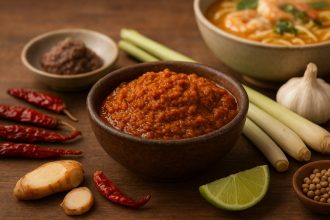
For a savory pairing, enjoy your kaya alongside dishes like homemade laksa paste. The creamy, spicy flavors complement the sweet richness of the jam.
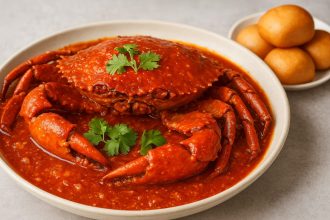
Another great option is serving it with a seafood dish such as spicy chili crab. The bold, savory taste contrasts nicely with the smooth sweetness of kaya, creating a balanced flavor experience.
For fun variations, drizzle kaya over waffles or pancakes, or combine it with fresh fruits for a tropical flair. These ideas show how flexible Kaya is, allowing you to enjoy it in many ways beyond traditional toast.
Kaya (Coconut Jam) Recipe: Making It Part of Your Kitchen
Mastering the kaya (coconut jam) recipe brings a personal touch to your meals. Its smooth texture and fragrant aroma make even simple breakfasts feel special.
Understanding ingredients and methods encourages experimentation. Adjust sweetness, consistency, and flavor intensity to suit your taste. Each batch reflects your cooking style and preference.
Using kaya alongside other Singaporean dishes adds balance to meals and creates memorable experiences for friends and family.
Enjoying Kaya (Coconut Jam) Recipe
The kaya (coconut jam) recipe shines not only in the kitchen but also as part of shared meals. Serve it with friends or family to showcase Singapore’s culinary heritage.
For a deeper look at the tropical coconut fruit that forms the base of kaya, consider exploring its nutritional benefits and origins. This knowledge can inspire new ways to enjoy the jam in your recipes.
Whether spread on toast, used in desserts, or paired with local dishes, homemade kaya delivers warmth, sweetness, and a taste of tradition in every bite.